VMPL
New Delhi [India], June 27: For years, travellers have accepted one simple rule when booking a hotel: pay for the entire night, even if you only need the room for a few hours. But think about it. You land in Mumbai at 7 AM. Your meeting is at 11 AM, but most hotels in Mumbai don't allow check-in until 2 PM.
So, you do what most travellers do -- you either pay for an extra night that you don't wish, or you spend four uncomfortable hours dragging luggage through the city, killing time at a cafe that wasn't designed for sleeping.
Neither option is smart. Neither option is cheap.
To bridge this gap, an hourly hotel booking concept was developed for millions of Indian travellers; it's quietly becoming one of the most effective ways for cutting travel costs without cutting corners.
Platforms like Qwiksta are helping make this shift possible by connecting travellers with hotels that offer short-duration stays, day-use rooms, and flexible booking options.
Can Hourly Hotel Booking Really Save Money?
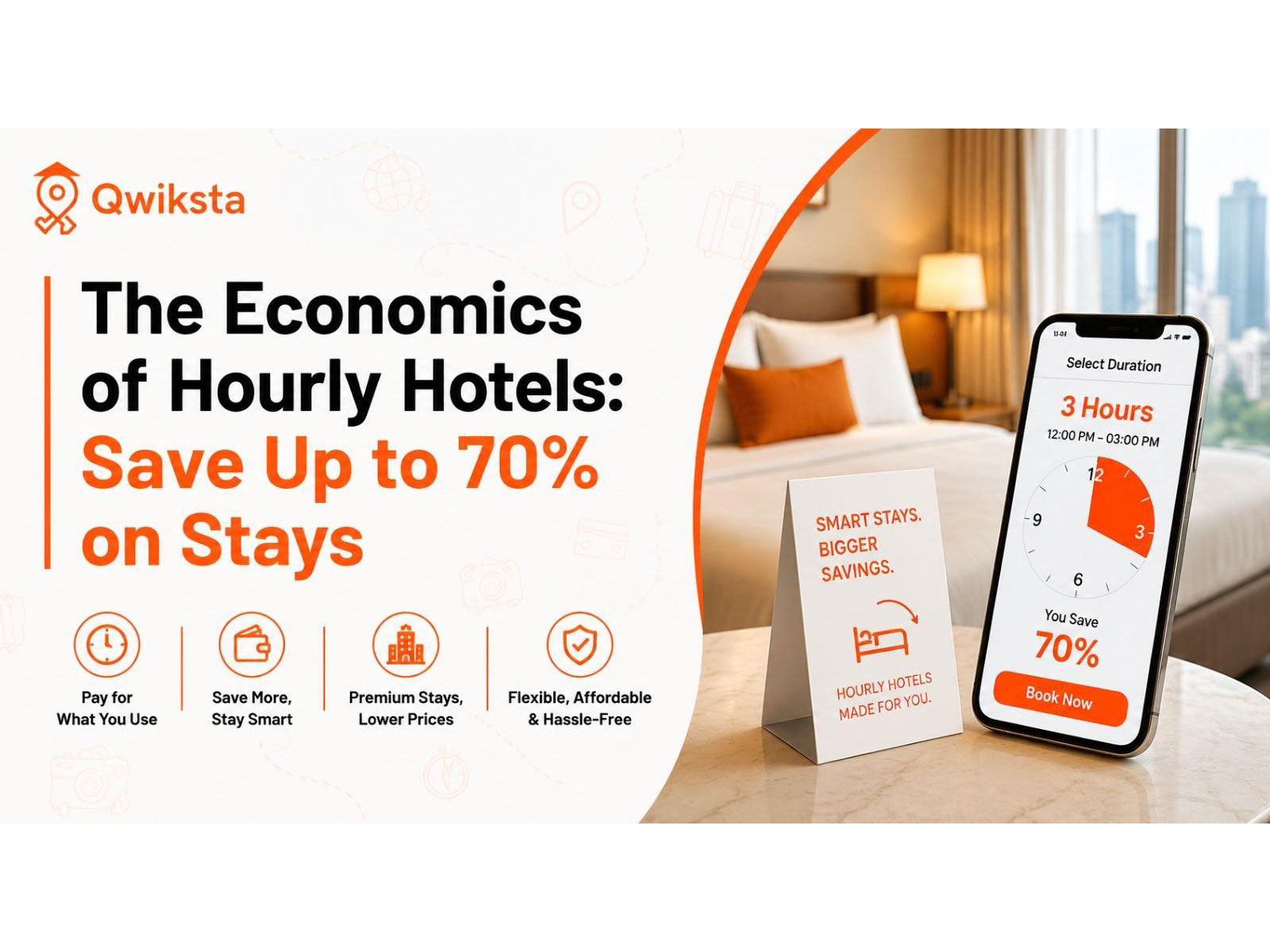
Yes. Hourly hotel booking allows travellers to reserve hotel rooms for 3, 6, or 12 hours instead of paying for a full-night stay. Depending on the duration and city, travellers can reduce accommodation expenses by 40% to 70% while enjoying the same room, amenities, and comfort that a traditional hotel provides.
This flexible model is becoming increasingly popular among business travellers, airport transit passengers, tourists, and couples across India.
The Hidden Problem with Traditional Hotel Pricing
Imagine arriving in Mumbai at 8 AM for a business meeting scheduled at 2 PM.
You need:
- A shower
- Wi-Fi access
- A place to work
- A few hours of rest
What you don't need is a room for the entire night.
Yet traditional hotels often charge the same rate whether you stay for four hours or twenty-four.
For decades, travellers simply accepted this inefficiency because there was no alternative.
Today, there is.
Understanding the Economics Behind Hourly Rooms
The hourly accommodation model follows a simple principle:
Pay for Usage, Not Ownership
Think about how other modern services operate:
- You pay for the ride, not the taxi.
- You pay for the stream, not the DVD.
- You pay for cloud storage, not physical servers.
The hospitality industry is now experiencing the same transformation.
Instead of booking a room for a full day, travellers can book hourly rooms based on actual requirements. This "Hourly pay" model is becoming a major trend in hospitality as travellers increasingly demand for flexibility.
Why Flexible Hotel Stays Are Growing Across India
India's travel ecosystem has changed drastically.
Today, travel is no longer limited to vacationers staying for several nights.
Modern travellers include:
Business Professionals
Many professionals require rooms between meetings rather than overnight accommodation.
Airport Transit Passengers
Long domestic and international layovers have increased demand for hotels near airport locations offering short-duration stays.
Remote Workers
Professionals increasingly seek temporary workspaces with privacy, internet connectivity, and comfort.
Couples
Many travellers search for a safe and verified Hotel for unmarried couples without committing to a full-night booking.
Medical Travellers
Patients and families often require accommodation for a few hours between consultations.
This shift in traveller behaviour has fuelled demand for short-stay hotels, hotels for day use, and flexible hotel stays across India.
Beyond Hotels: Why Service Apartments Are Becoming a Smart Alternative
While hourly hotels are ideal for short stays, travellers planning longer visits often prefer service apartments for added space, privacy, and flexibility. Unlike traditional hotel rooms, service apartments offer a more home-like experience with furnished living spaces, essential amenities, and greater comfort for extended stays.
Qwiksta also helps travellers discover studio apartments and serviced accommodations in Mumbai, making it easier to find flexible stay options for business trips, relocations, remote work, or long-term travel. For guests who need more than just a hotel room, service apartments provide a convenient and cost-effective alternative without compromising on comfort.
The Bangalore Example: Why Hourly Hotels Make Economic Sense
- Take a traveller arriving in Bangalore at 7 AM.
- Their standard hotel check-in isn't until 2 PM.
Traditionally, they have three options:
Option 1: Wait in Public Areas
Cost: ₹0
Hidden Cost:
- Fatigue
- Reduced productivity
- Lost comfort
Option 2: Book an Extra Night
Cost:
- ₹6,000+
- Problem:
- Paying for a full night.
Option 3: Hourly Hotel Booking
Cost:
₹1,500 - ₹2,500
Benefit:
Access to the same amenities at a fraction of the price.
For travellers searching for hotels in Bangalore, this represents a practical solution rather than a luxury purchase.
Smart Travel Spending: The New Traveller Mindset
Today's travellers are becoming more financially wise.
Rather than asking:
"What's the cheapest hotel?"
They increasingly ask:
"What's the smartest way to spend my travel budget?"
This shift has made budget hotel booking less about finding the cheapest room rate and more about avoiding unnecessary expenses.
Hourly stays fit perfectly into this strategy.
Savings from accommodation can be redirected toward:
- Flights
- Experiences
- Dining
- Local transportation
- Business expenses
How to Choose the Best Hourly Hotel Booking Platform
When evaluating the best hourly hotel booking platform, consider:
Hotel Verification
Choose platforms with verified properties and transparent guest policies.
Flexible Time Slots
Look for options offering:
- 3-hour stays
- 6-hour stays
- 12-hour stays
- Day-use bookings
Easy Online Room Booking
The platform should offer:
- Instant confirmation
- Secure payments
- Transparent pricing
Location Coverage
Access to:
- Hotels near airports
- Business districts
- Transit hubs
- Tourist areas
Qwiksta addresses these needs by helping travellers find flexible accommodation options designed around real travel schedules rather than traditional hotel rules.
Conclusion
The rise of hourly hotel booking represents one of the most practical innovations in modern travel. Instead of paying for unused hotel time, travellers can now align accommodation expenses with actual usage.
Whether you're looking for hourly rooms, early check-in hotels, short stay hotels, hotel for day use, budget hotel booking, or hotels near airport locations, the economics are clear: paying only for the hours you need can dramatically reduce travel costs while improving convenience.
For smart travellers focused on flexibility and value, hourly stays are no longer an alternative--they're becoming the smarter standard.
(ADVERTORIAL DISCLAIMER: The above press release has been provided by VMPL. ANI will not be responsible in any way for the content of the same.)